


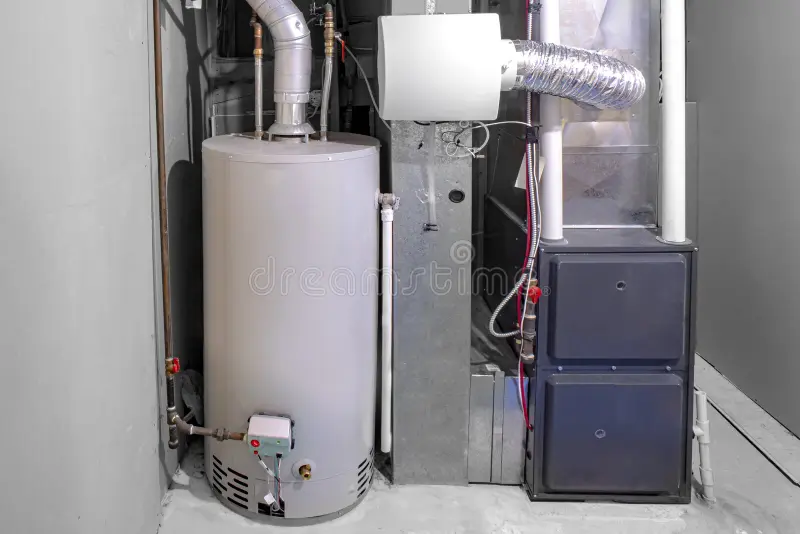
What usually goes out on a furnace? This is a common question homeowners ask when their heating system suddenly stops producing heat, especially during winter in New Egypt, NJ. Furnaces rely on several components working together, and when one part fails, the entire system can shut down.
The most common part to fail is the ignitor or pilot light. Older furnaces use a standing pilot light that can go out over time due to drafts, dirt, or gas supply issues. Newer furnaces rely on electronic ignitors that wear down from repeated heating cycles. When an ignitor fails, the furnace may appear to start but never produce heat.
Other furnace problems are often related to wear and age. Components such as flame sensors, blower motors, and control boards can fail after years of use. As furnaces age, multiple parts may begin to fail close together, which is often a sign the system is nearing the end of its lifespan rather than experiencing a single isolated issue.
In New Egypt, NJ, furnaces run heavily during cold winters, increasing wear on internal components. When power and gas are available but the furnace does not heat, safety controls may be shutting the system down to prevent unsafe operation. Professional diagnosis is required to restore heat safely.
Addressing furnace issues early helps prevent emergency breakdowns and higher repair costs. A professional inspection identifies whether a repair is appropriate or if replacement should be considered.
Read the FAQ:
What usually goes out on a furnace?
Watch our video :
If your furnace is not producing heat, call Dustin’s Plumbing Heating and A/C Repair to schedule professional furnace service in New Egypt, NJ and restore safe, reliable heating.
